M Y T H S ARE H I S T O R Y
  • Home
  • Myths of Creation
    • 1 Thesis >
      • 2 Definitions
      • 3 Exposition
    • 4 First Things: Cosmogony >
      • 5 Time After Time
      • 6 From Creation To Catastrophe
      • 7 Order Out Of Chaos
    • 8 Traits, Tropes & Themes >
      • 9 Macrocosm To Microcosm
    • 10 Astronomical: Theogony >
      • 11 Geophysical: Geogony
      • 12 Ethnological: Anthropogony
    • 13 Cosmogonic Causal Chains >
      • 14 As Above, So Below
      • 15 Foregone Ages Past
      • 16 Forthcoming Future Ages
    • 17 Second Thoughts >
      • 18 But Who's Counting?
    • 19 From Myth To History >
      • 20 Cycles Of Recurrence
    • 2) Mythic Media >
      • 1 In the Beginning
      • 2 Artifacts of Cultural Memory
      • 3 Global Unanimity Uncovered
      • 4 Comparative World Mythology
      • 5 Myth-making through the Ages
  • THE CREATION OF MYTH
    • Introduction
    • Thesis
    • 1 Orality >
      • Preliterate Cultural Memory
      • Rock Art
    • 2 Authority >
      • Myth and History
      • What kind of Truth?
    • 3 Community >
      • Ritual Extensions of Myth
      • Shared Image of the World
      • Group Constructions
    • 4 Efficacy >
      • Mythic Rituals
      • As Below, So Above
      • Group Responses
      • Survival Value
    • 5 Persistence >
      • Management of Memory
      • Mutatis Mutandis
    • Caveat
    • Coda
  • MYTHS ARE HISTORY
    • 1 Premise >
      • Comparative World Mythology
    • 2 Proposition >
      • Catastrophism & Cosmogony
      • Catastrophist Speculation
    • 3 Demonstration >
      • Instability of Solar System
      • Observational Evidence
    • 2) When Seeing Was Believing >
      • 1 Primacy of Sight
      • 2 Partial Perspectives
      • 3 Similarities & Differences
    • 3) Comparative World Symposium >
      • Seeing the Past Anew >
        • 1 A New Impartial Gathering ...
        • 2 A Global Synoptic View ...
        • 3 An Interdisciplinary Chronology ...
  • The Jupiter Myth
- 5 -

c.  -8347 to -6200

Late Boreal Neolithic
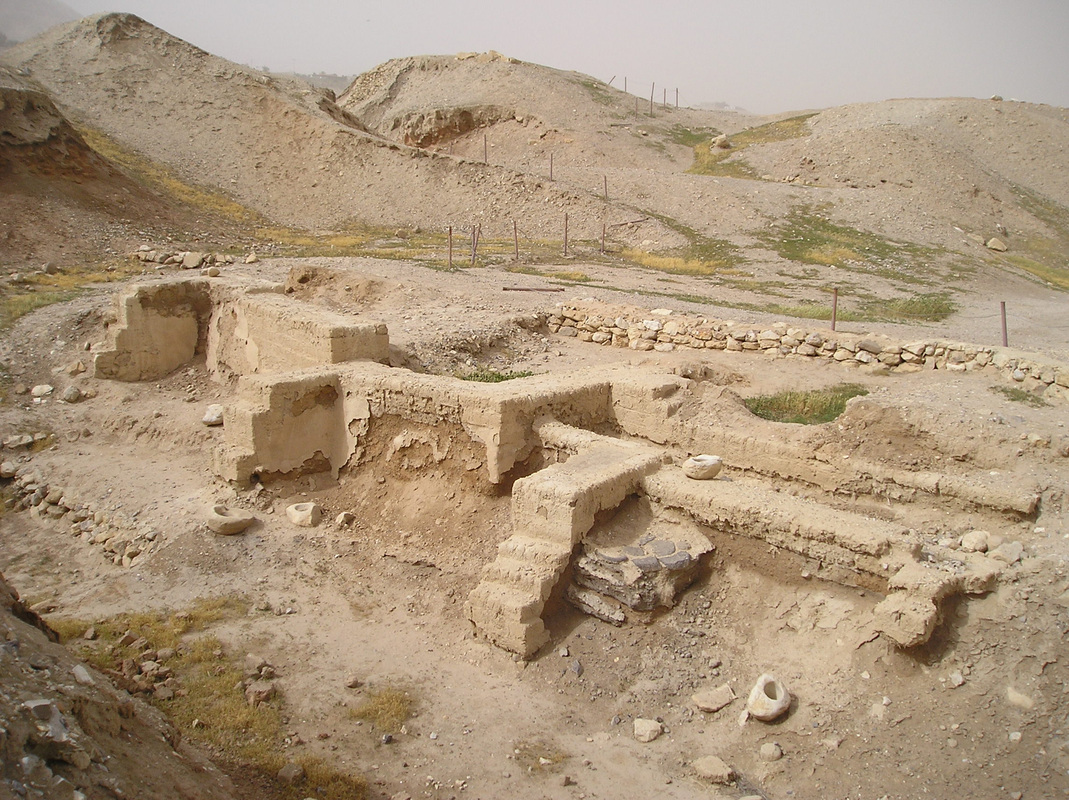
Ruins of Jericho
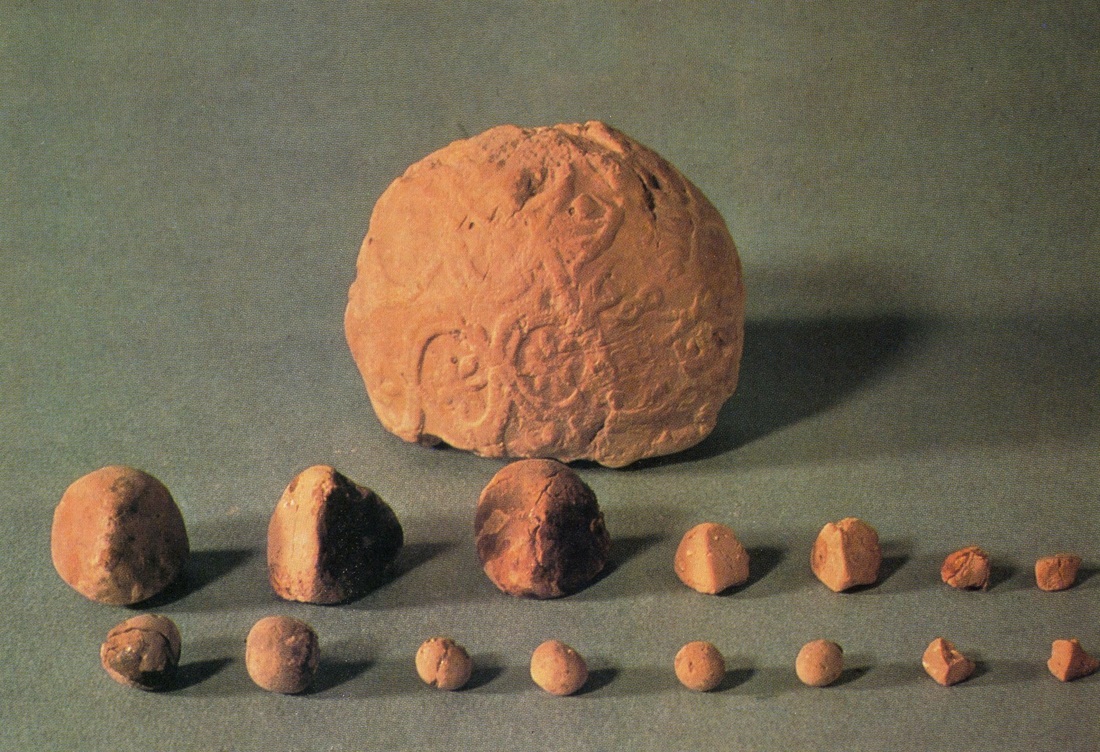
Bulla and simple tokens of early agrarian communities
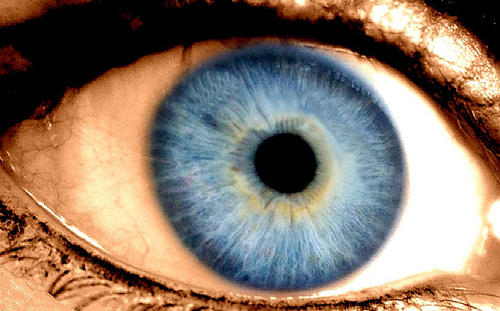
Mutation of gene OCA2 produces first blue-eyed humans, near Black Sea
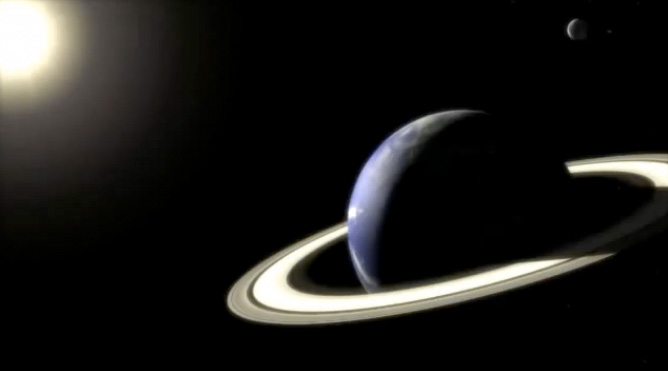
Earth rings -- a prominent yet widely misunderstood aspect of the ancient world
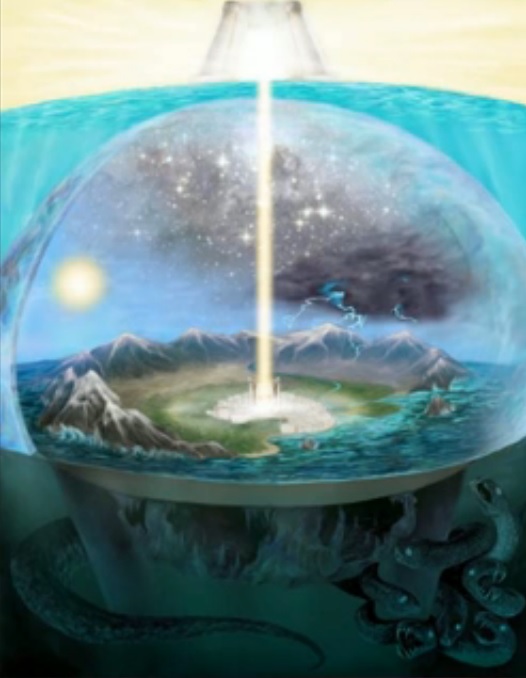
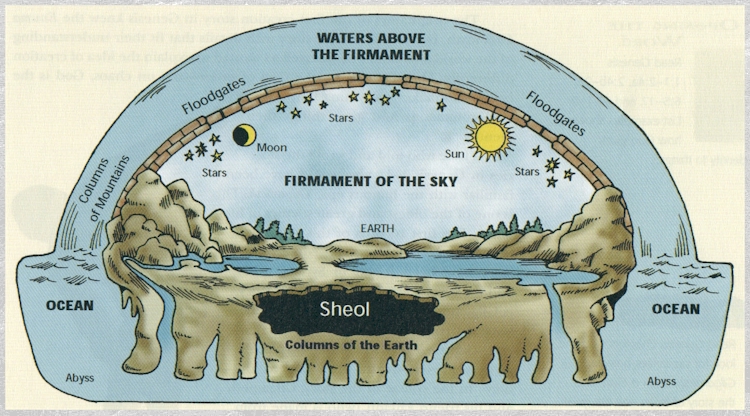
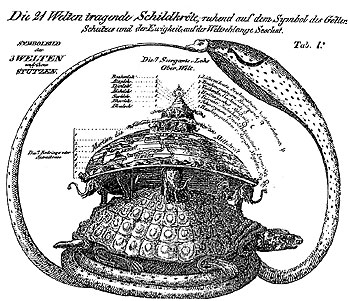
Traditonal Hebrew cosmology
Ruins of Ganj Derah, Mesopotamia

1. The Neolithic Revolution

Picture
Conventional illustration of the cosmology of the Hebrew Book of Genesis
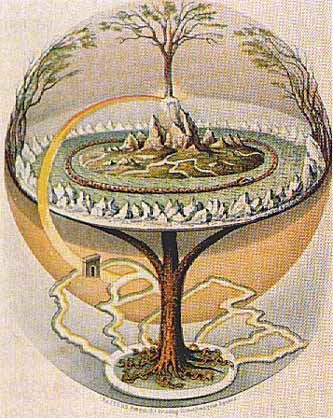
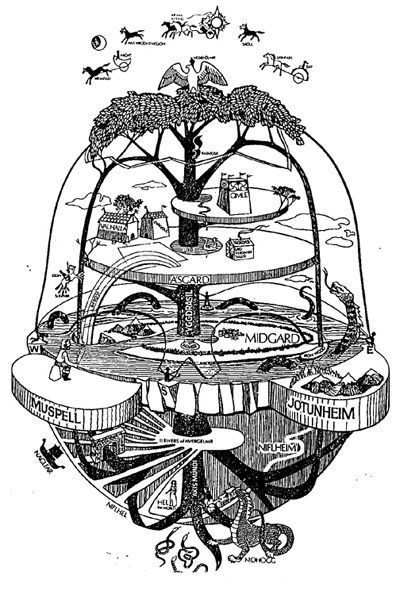
Norse cosmology
Hebrew cosmology
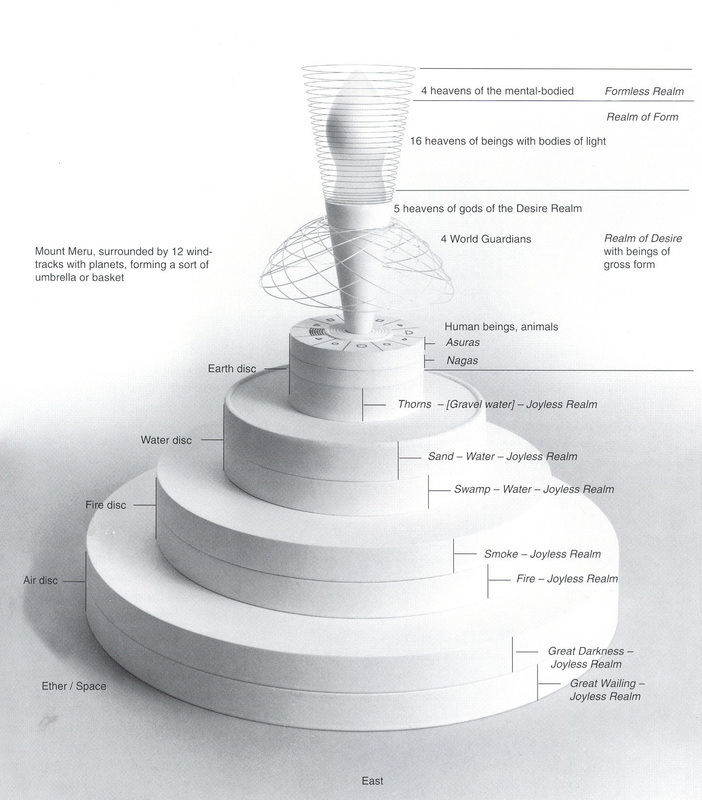
Buddhist cosmology
Norse cosmology
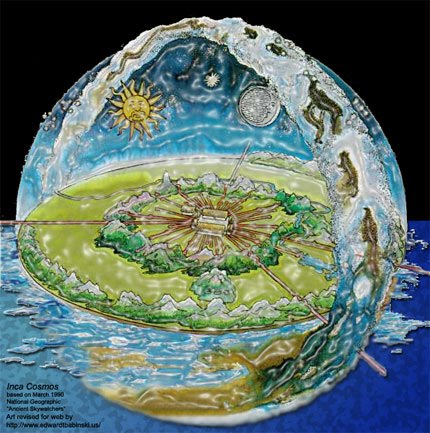
Inca cosmology
Hindu cosmology
Norse cosmology
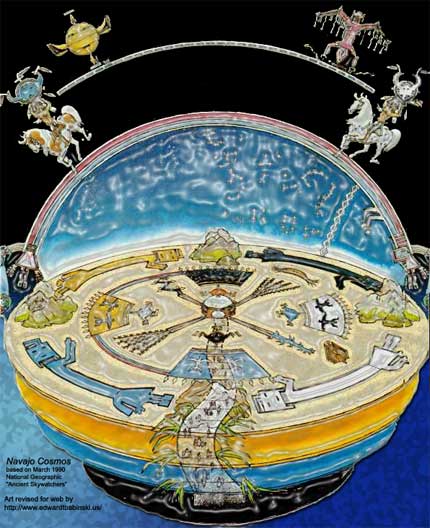
Navajo cosmology
i. Early worldview of the Ancients
  a. “Waters Above & Below”

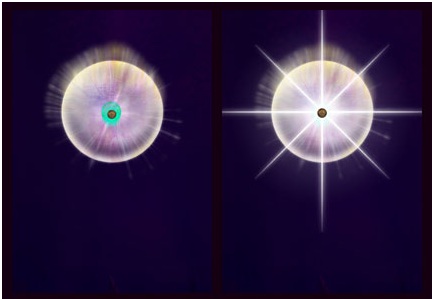
    (glow of encompassing plasmasphere)

     - “Sea of Space” of the Edda
     - “Shmayim / Mayim” of Genesis ("spirit-waters" [ether?])
  b. “Firmament”
    (equatorial rings)

     - “Jormungandr” of the Prose Edda   
     - “Raqia” of Genesis ("flat-hammered brass")
  c. “Abyss” or “Deep”
    (shadow beneath rings)

     - “Ginungagap” of the Elder Edda
     - “Tehom” of Genesis    
      
ii. Sympathetic magic & intimations of religion
  a. Language & glyphs

     - Petroglyphs commemorating the Peratt Column
     - Notched bones & soft stones (pictographs)
  b. Tokens & writing
     - Simple tokens as representative of Peratt instabilities?
     - Tokens as precursors of written language
  c. Calendar counts
     - Sumerians begin counting days (viz., “turns”)
     - Olmecs begin counting days (Tzolk’in)
     - Long Count 1.0.0.0.0 as end of “First Creation” (c. -8347)

iii. Earth year approx. 400 days
  a. Determined by subpolar orbit under Saturn
  b. Coral growth in antiquity

Picture
Conventional illustration of the cosmology of the Norse Eddas

2. Early Walled Communities (c. -8200 to -7200)

i. Neolithic Subpluvial (Sahara & Levantine wet phase)
  a. Stone structures on Arabian peninsula
  b. Stone structures in Negev desert

ii. Nonviolent agrarian communities
a. Teleilat el-Ghassul (Jordan valley)
b. Göbekli Tepe B (c. -8280)
c. Jericho walls & tower (c. -8000)
d. Çatal Höyük C (c. -7560)
e. Ganj Dereh

iii. Middle Neolithic polis
  a. Lack of hierarchical structure
  b. Lack of organized violence
  c. Early appearance of currency tokens
     - Mesopotamian sites    
     - Anatolian sites    
d. Final phase of "goddess" figurines
e. Epigenetic mutations
     -- Gene OCA2, first blue-eyed humans (Black Sea)   

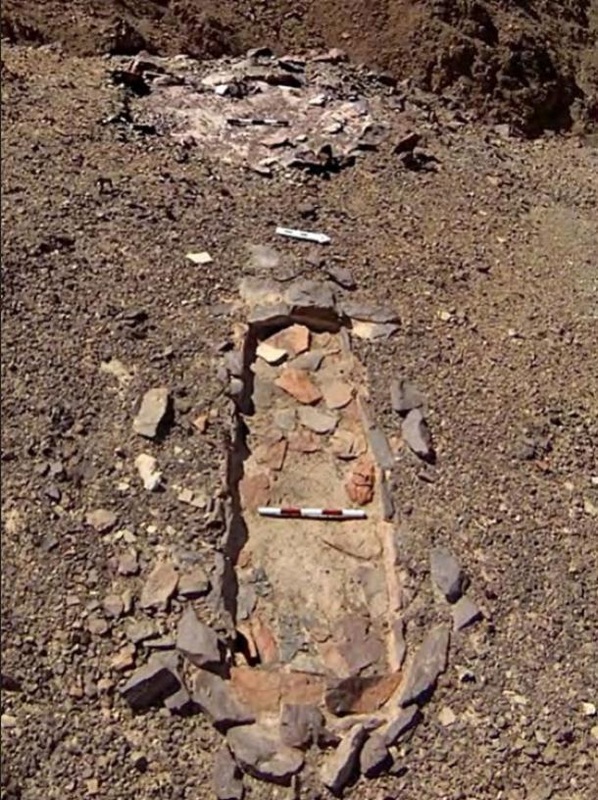
1 of 95 sites in the Negev desert, Israel, suggestive of the archaic Axis Mundi (Uzi Avner photo)
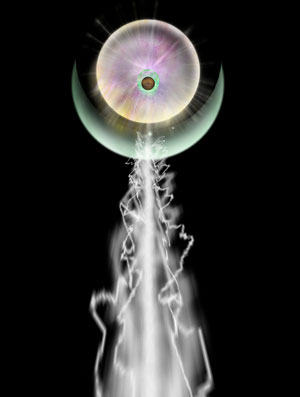
Archaic Axis Mundi (Talbott Column), c. -8347 to -6200 (saturndeathcult.com)
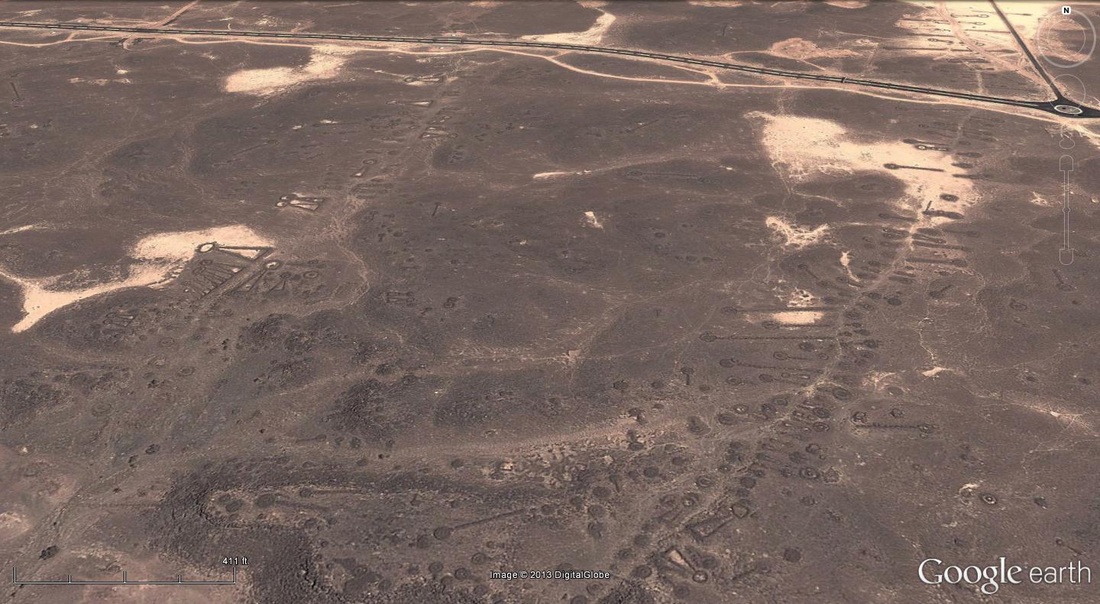
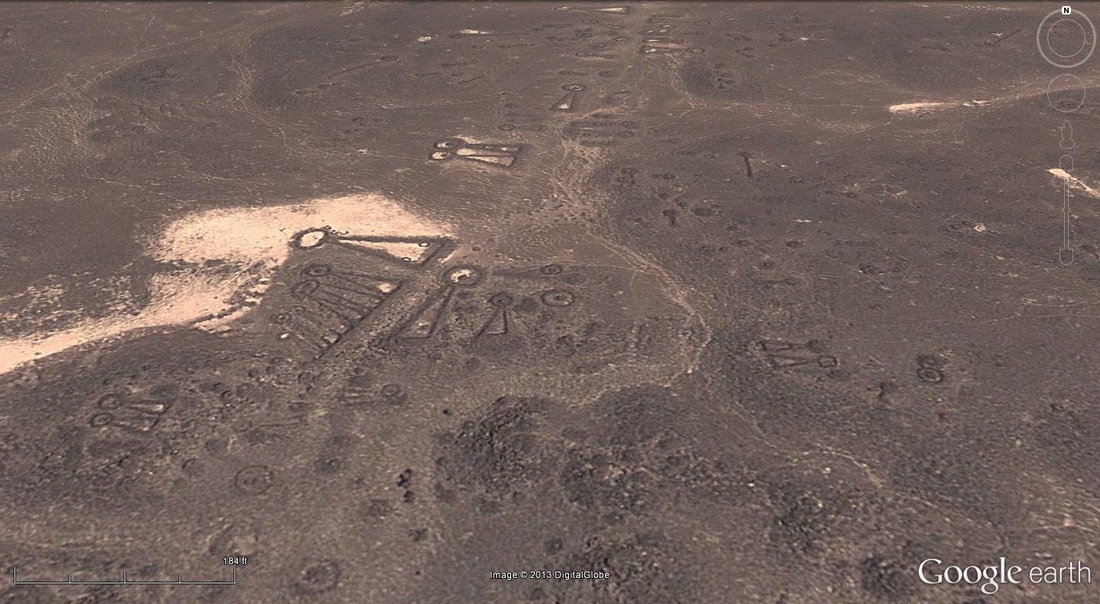
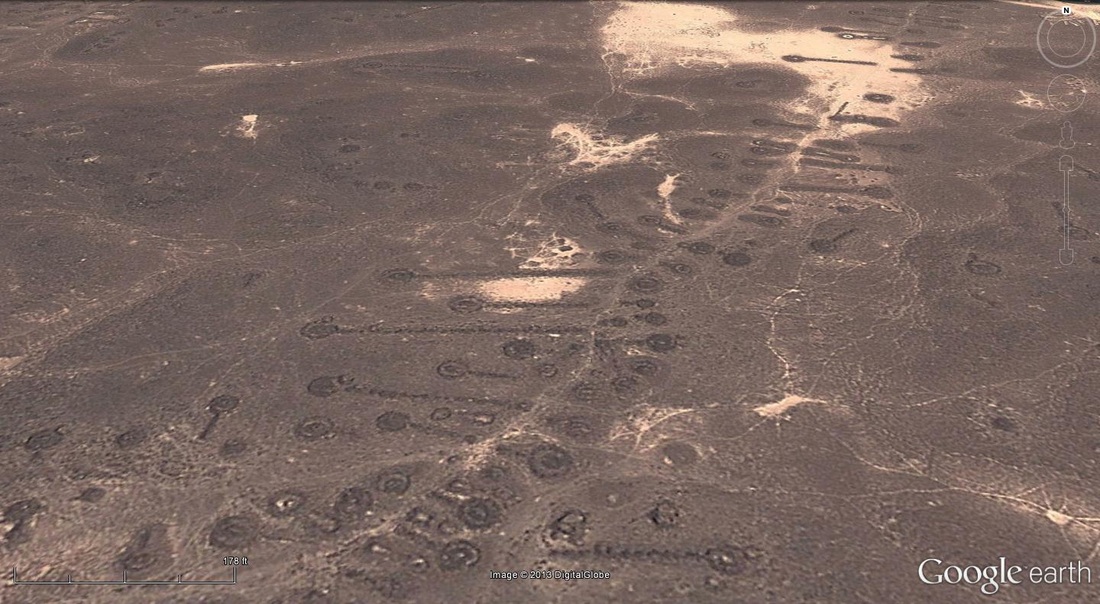
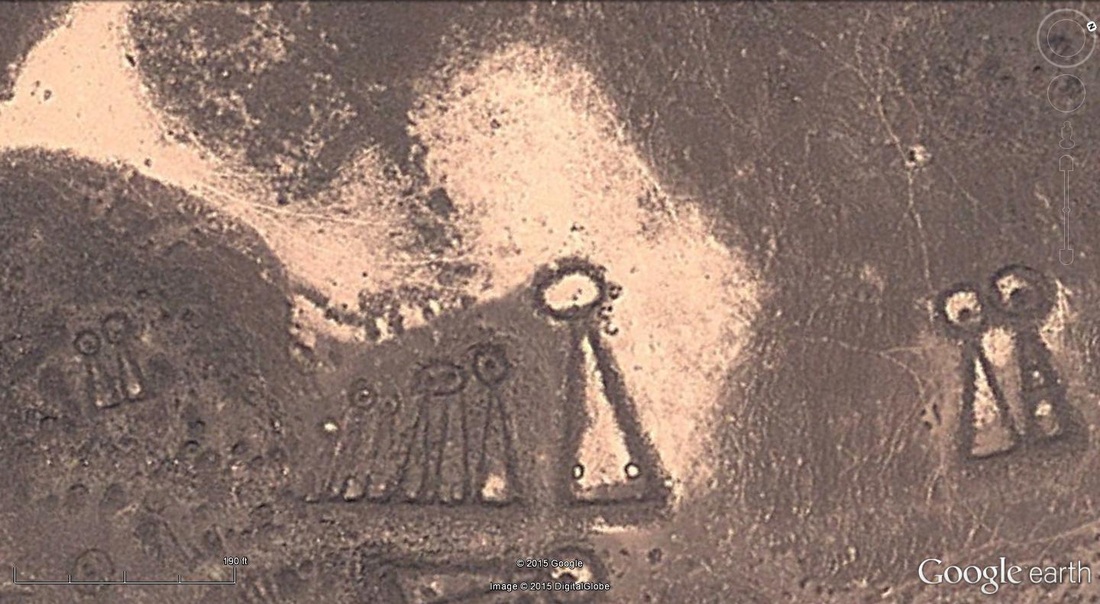
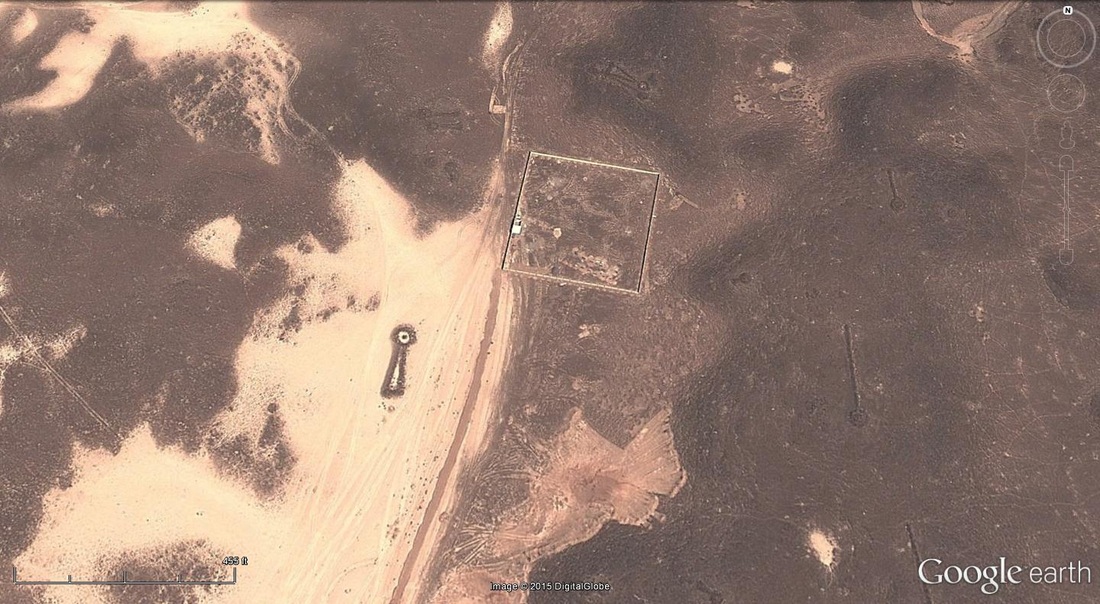
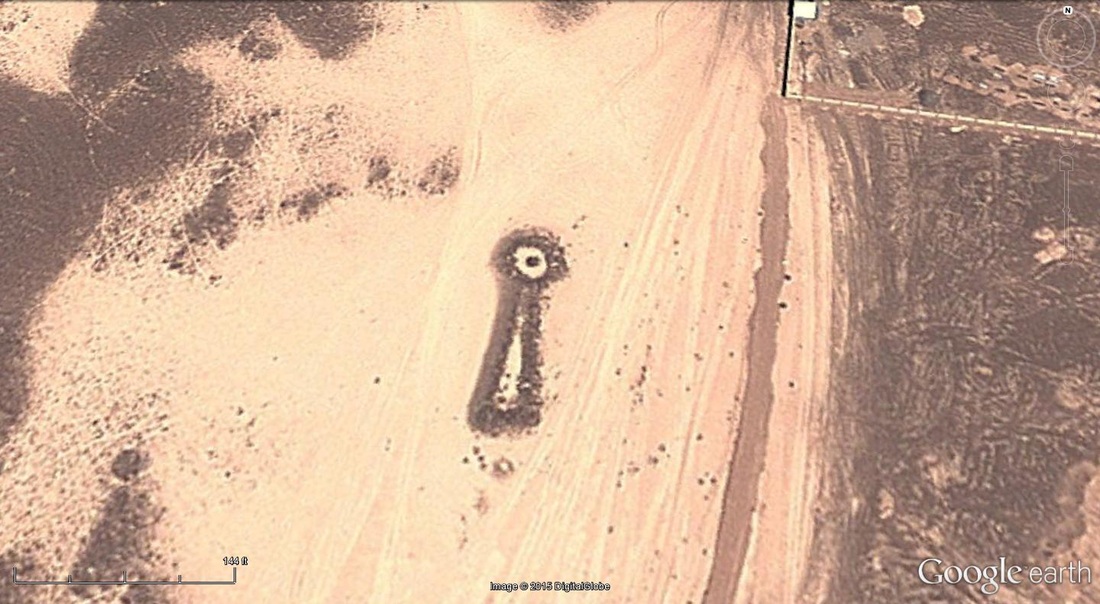
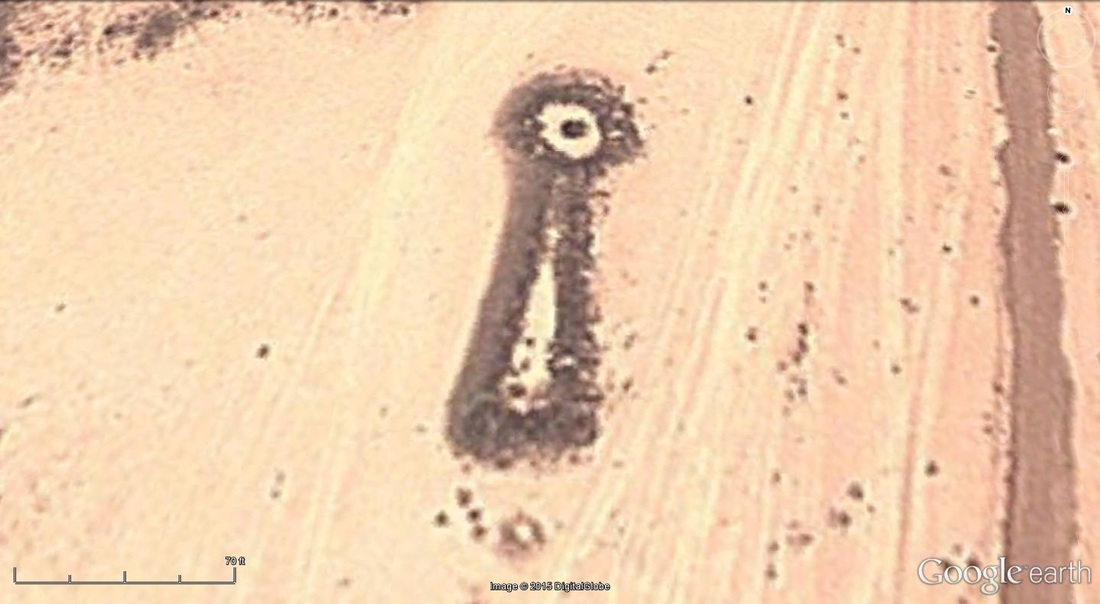
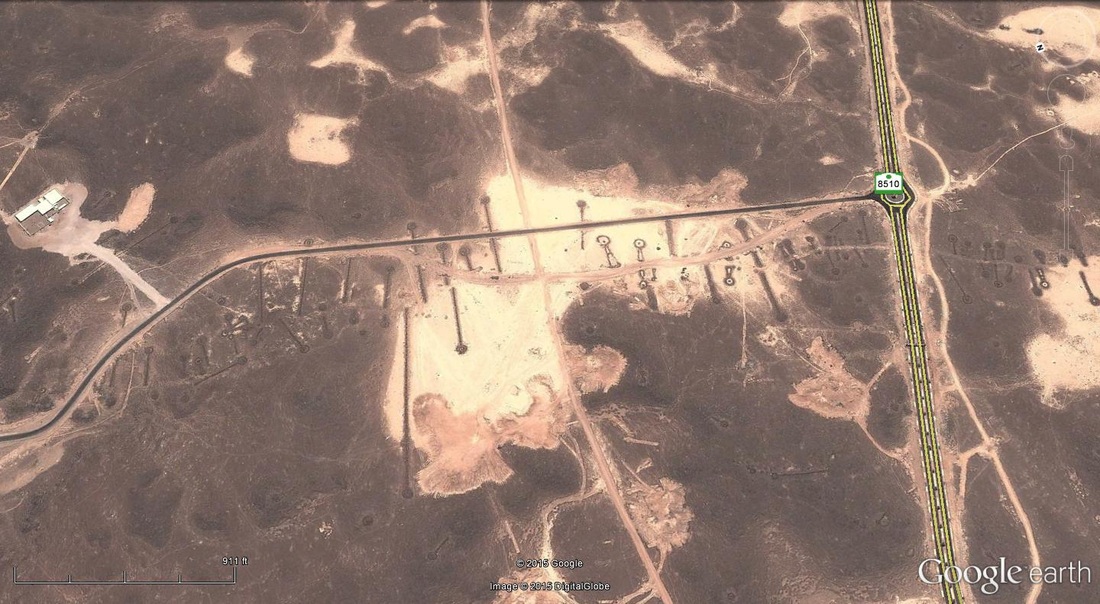
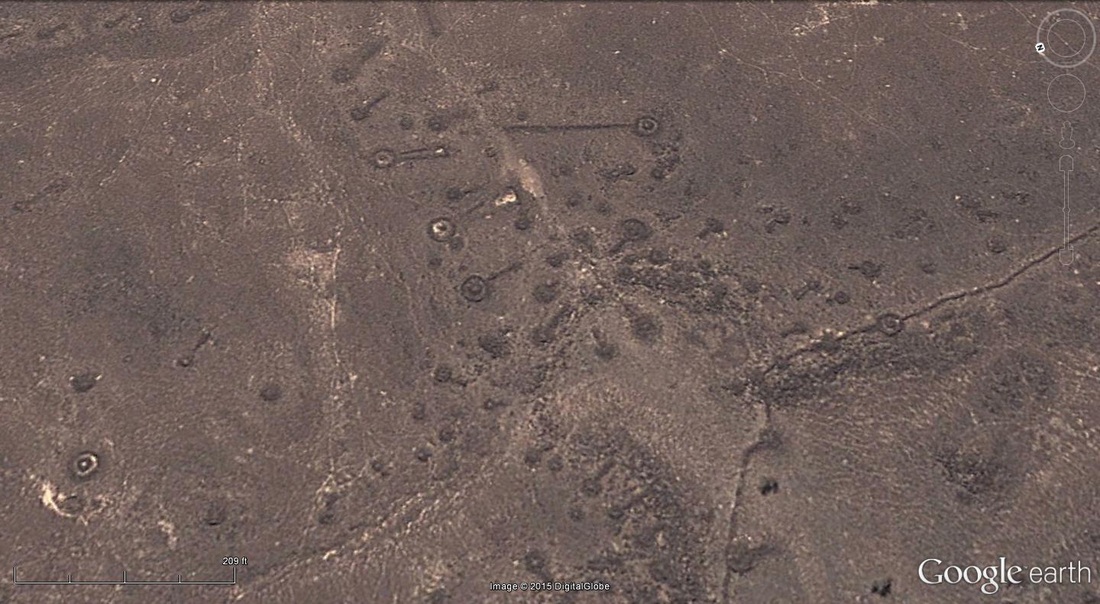
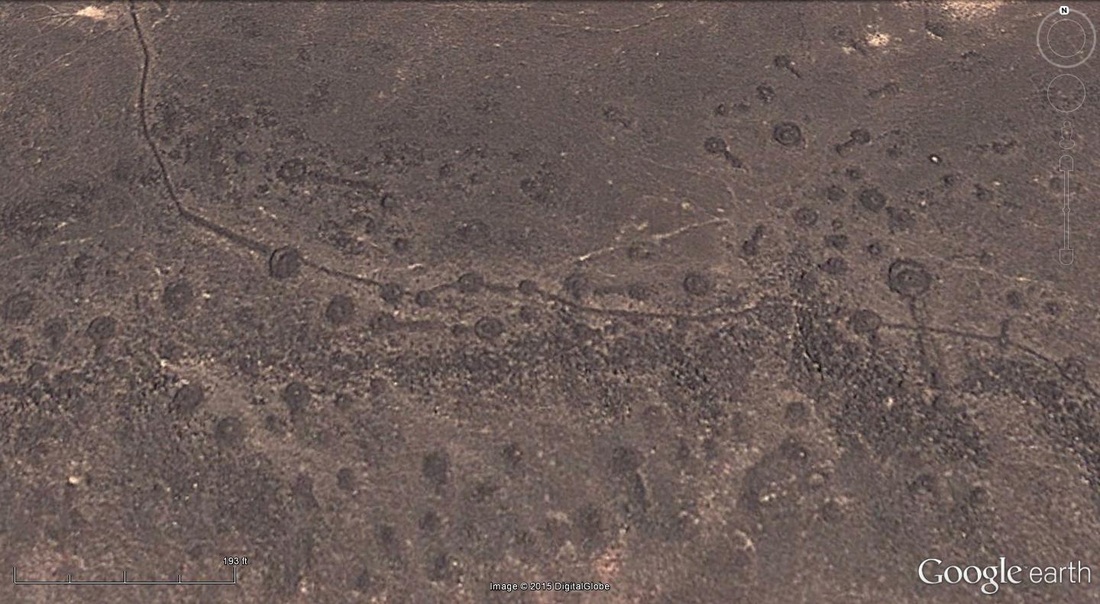
Obsessive stonework in the Arabian desert, northeast of Medinah, resembling the archaic Axis Mundi and the polar aligned planets of the Saturnian Polar Configuration
Picture
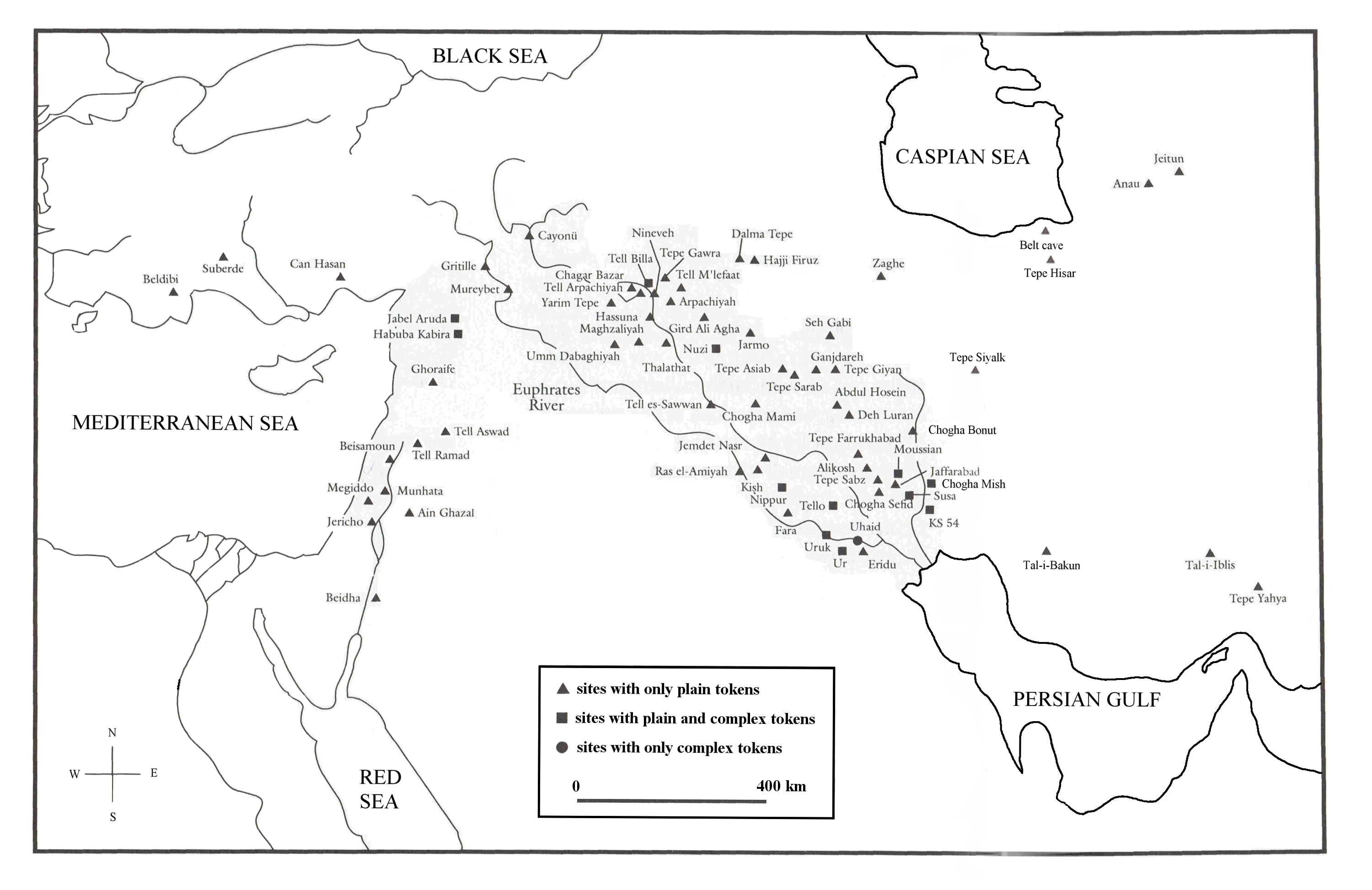
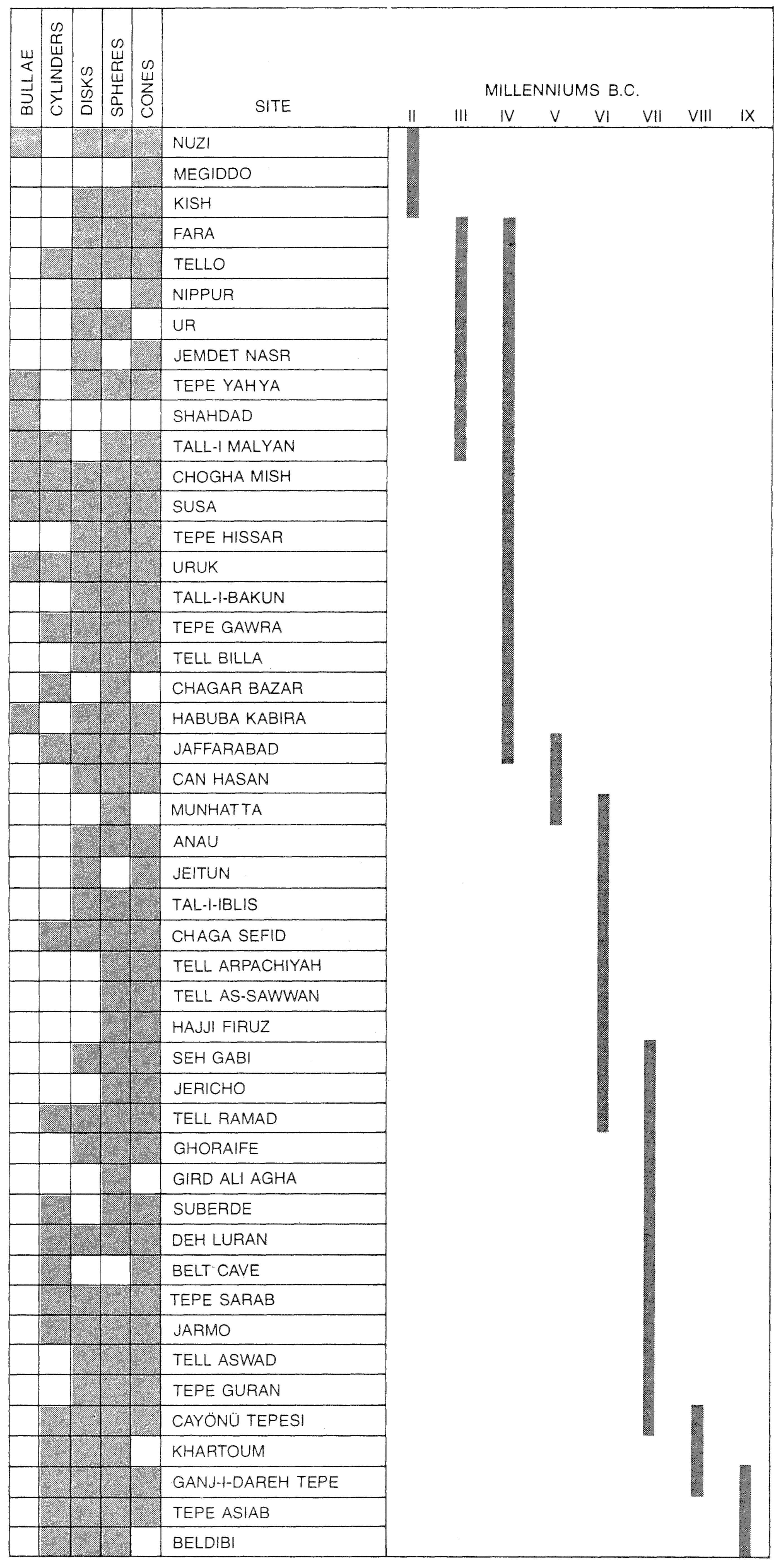
Nonviolent agrarian communities of the EBP -- where tokens have been retrieved
Archeological sites where tokens have been recovered
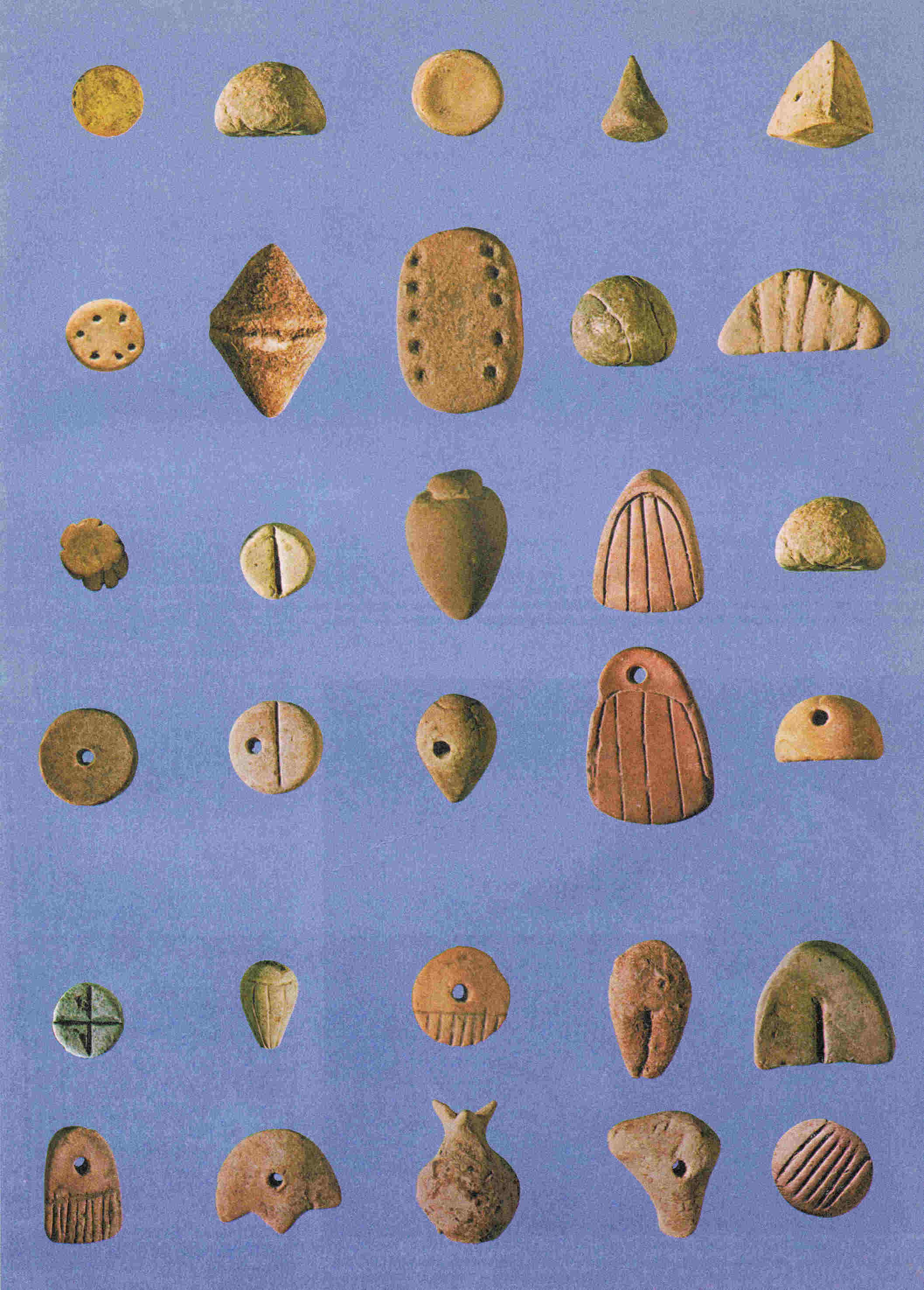
Currency tokens from the ancient Near East

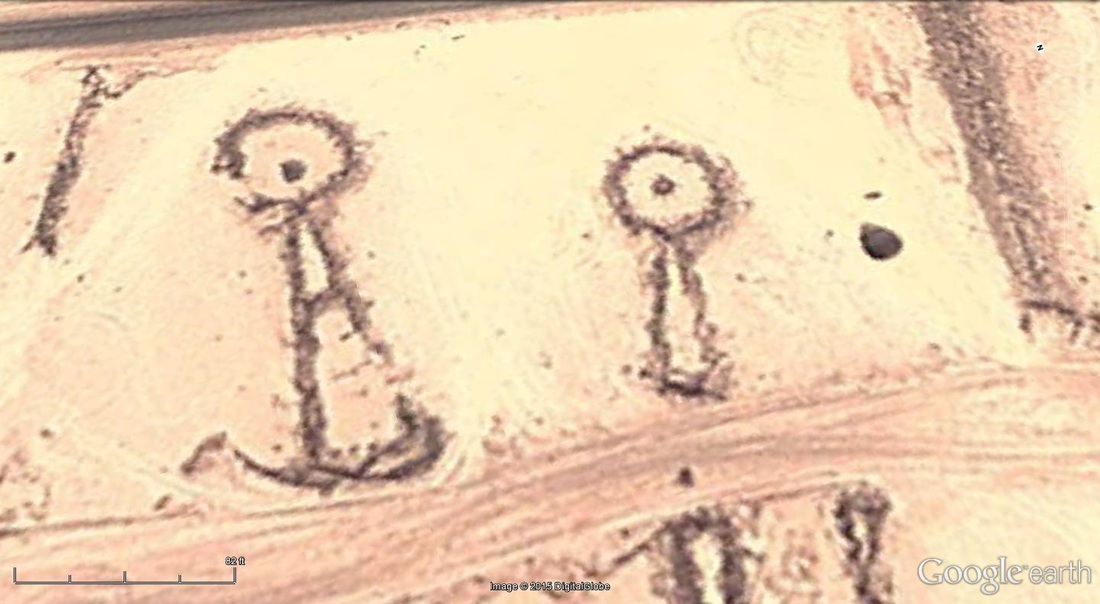
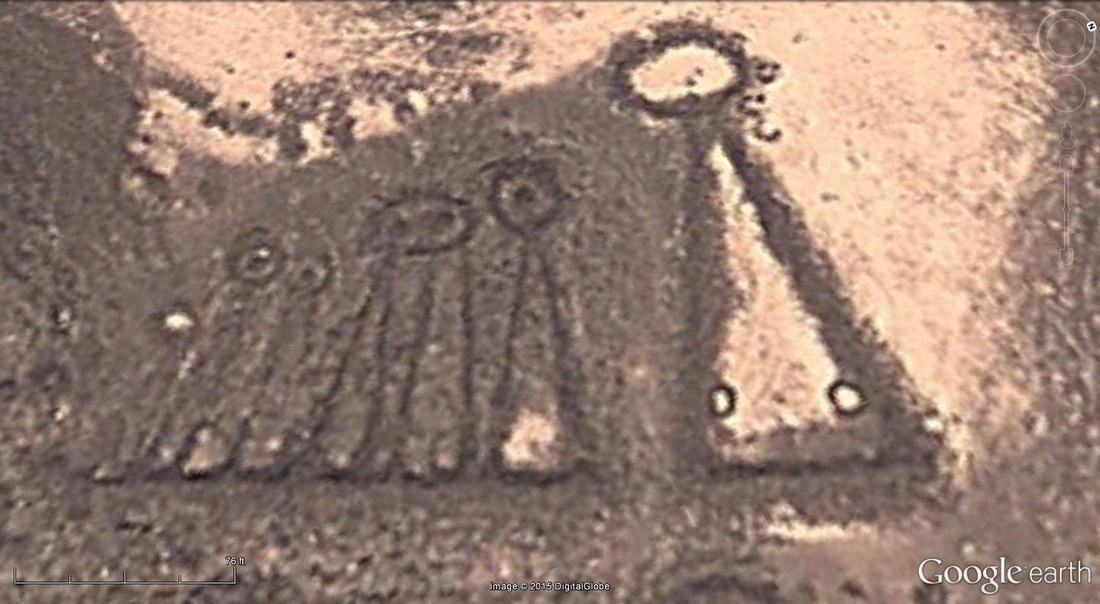
Obsessive stonework in the Saudi Arabian desert, northeast of Medina, resembling the archaic Axis Mundi and the polar aligned planets of the Saturnian Polar Configuration ("the gods of the North").

Recently discovered by aerial & satellite photography; original provenance unknown. Numbering in the thousands, perhaps even tens of thousands, they are largely clustered on either sides of Lichtenberg figures etched into the desert floor.

Like correlating examples elsewhere around the world (such as those recently discovered in the Negev desert), such figures have previously been designated as "fertility symbols" by conventional mythologists.
Obsessive stonework in the Arabian desert, northeast of Medinah, resembling the archaic Axis Mundi and the polar aligned planets of the Saturnian Polar Configuration

3. Chronosymbiosis of the LBN (c. -7200 to -6200)

Metamorphic forms of the Saturnian Polar Configuration in the North (saturndeathcult.com)
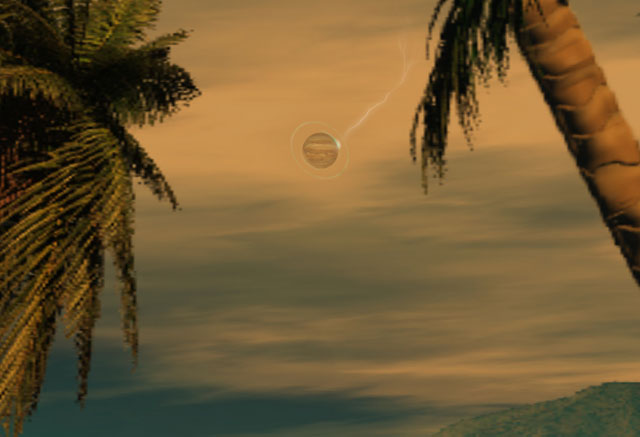
Jupiter seen along the ecliptic in the northern skies
i. Hypsithermal in bloom
  a. Tropical and temperate zones shift north
  b. Polar Configuration  as corpulent mother

ii. Climatic downturn, migrant populations
  a. c. -6800: Jericho abandoned
  b. c. -6700: Çatal Höyük emigration begins
  c. c. -6500: Lipinski Vir migrants settle

  d. Göbekli Tepe abandoned 

4. Near-Earth debris sorts & freezes into rings

i. Cross-cultural correlations
  a. Ashes of phoenix in nest
  b. Mesopotamian -- Absu / Abzu
  c. Egyptian — Du’at
  d. Hebrew — Raqia (Genesis 1:6-8; "Day Two")
  e. Norse — Jormungandr
f. Hindu - Garbhodaka

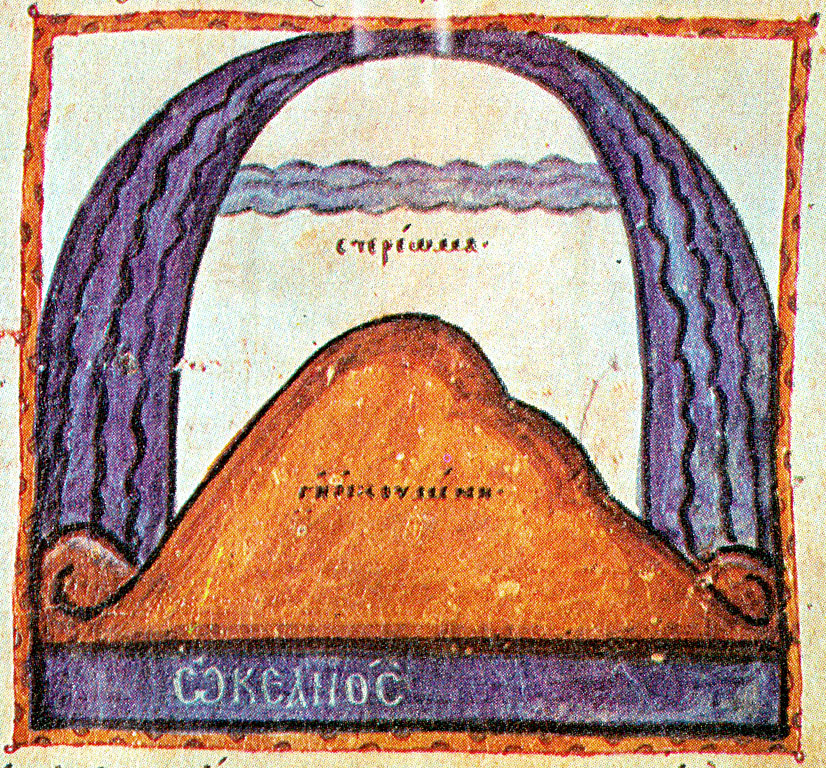
g. Greek -- Okeanos
h. Ouroboros

ii. Interdisciplinary research
  a. Vail (1874 &c.)
  b. Schuré (1912 &c.)

c. Borges (1967)
  d. Cardona (1996)
  e. Cook (2001 &c.)
  f. Rappenglück (2003)

Picture
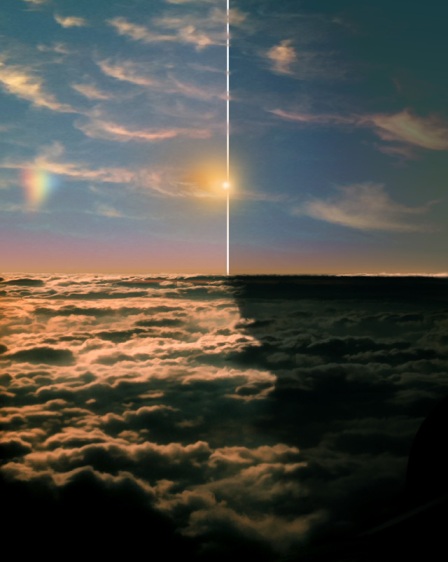
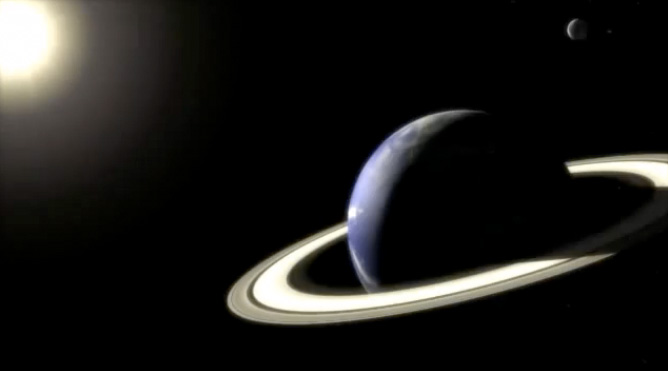
Modern CGI reconstruction of Earth's lost equatorial rings
"... To the Greeks it was a simple circular river that ringed the land mass. All streams flowed from it and it had neither outlets nor sources. It was also a god or a Titan, perhaps the most ancient of all Titans, since Sleep in Book XIV of the Iliad calls it the source from whom the gods are sprung. 
In Hesiod’s Theogony , it is the father of all the world’s rivers - three thousand in number - the leading of which are the Alpheus and the Nile.
A world-circling serpent is also found in Norse cosmology; it is called the Miogarosormr - literally, the middle-yard’sworm, middle-yard standing for the earth. In the Younger Edda, Snorri Sturluson recorded that Loki fathered a wolf and a serpent. ...
The serpent, Jormungard, ‘was thrown into the sea surrounding the land and there it has grown so large that now it too surrounds the earth and bites its own tail.’ ..." 

-- JL Borges, "The Ouroborus"
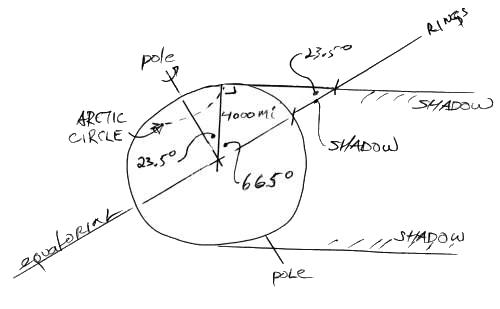
Measurements of Earth rings based on cross-cultural descriptions (Jno Cook, saturniancosmology.org)
Cosmas Indicopleustes' depiction of the Firmament, from "Christian Topography" c. 550 AD
Equatorial ring as seen at the equator, with deep shadow below the rings (south of the equator)
Modern CGI reconstruction
The angle of view of the Absu. Courtesy of K. Widen.
... previous
continue ...
  • Home
  • Myths of Creation
    • 1 Thesis >
      • 2 Definitions
      • 3 Exposition
    • 4 First Things: Cosmogony >
      • 5 Time After Time
      • 6 From Creation To Catastrophe
      • 7 Order Out Of Chaos
    • 8 Traits, Tropes & Themes >
      • 9 Macrocosm To Microcosm
    • 10 Astronomical: Theogony >
      • 11 Geophysical: Geogony
      • 12 Ethnological: Anthropogony
    • 13 Cosmogonic Causal Chains >
      • 14 As Above, So Below
      • 15 Foregone Ages Past
      • 16 Forthcoming Future Ages
    • 17 Second Thoughts >
      • 18 But Who's Counting?
    • 19 From Myth To History >
      • 20 Cycles Of Recurrence
    • 2) Mythic Media >
      • 1 In the Beginning
      • 2 Artifacts of Cultural Memory
      • 3 Global Unanimity Uncovered
      • 4 Comparative World Mythology
      • 5 Myth-making through the Ages
  • THE CREATION OF MYTH
    • Introduction
    • Thesis
    • 1 Orality >
      • Preliterate Cultural Memory
      • Rock Art
    • 2 Authority >
      • Myth and History
      • What kind of Truth?
    • 3 Community >
      • Ritual Extensions of Myth
      • Shared Image of the World
      • Group Constructions
    • 4 Efficacy >
      • Mythic Rituals
      • As Below, So Above
      • Group Responses
      • Survival Value
    • 5 Persistence >
      • Management of Memory
      • Mutatis Mutandis
    • Caveat
    • Coda
  • MYTHS ARE HISTORY
    • 1 Premise >
      • Comparative World Mythology
    • 2 Proposition >
      • Catastrophism & Cosmogony
      • Catastrophist Speculation
    • 3 Demonstration >
      • Instability of Solar System
      • Observational Evidence
    • 2) When Seeing Was Believing >
      • 1 Primacy of Sight
      • 2 Partial Perspectives
      • 3 Similarities & Differences
    • 3) Comparative World Symposium >
      • Seeing the Past Anew >
        • 1 A New Impartial Gathering ...
        • 2 A Global Synoptic View ...
        • 3 An Interdisciplinary Chronology ...
  • The Jupiter Myth