M Y T H S ARE H I S T O R Y
  • Home
  • Myths of Creation
    • 1 Thesis >
      • 2 Definitions
      • 3 Exposition
    • 4 First Things: Cosmogony >
      • 5 Time After Time
      • 6 From Creation To Catastrophe
      • 7 Order Out Of Chaos
    • 8 Traits, Tropes & Themes >
      • 9 Macrocosm To Microcosm
    • 10 Astronomical: Theogony >
      • 11 Geophysical: Geogony
      • 12 Ethnological: Anthropogony
    • 13 Cosmogonic Causal Chains >
      • 14 As Above, So Below
      • 15 Foregone Ages Past
      • 16 Forthcoming Future Ages
    • 17 Second Thoughts >
      • 18 But Who's Counting?
    • 19 From Myth To History >
      • 20 Cycles Of Recurrence
    • 2) Mythic Media >
      • 1 In the Beginning
      • 2 Artifacts of Cultural Memory
      • 3 Global Unanimity Uncovered
      • 4 Comparative World Mythology
      • 5 Myth-making through the Ages
  • THE CREATION OF MYTH
    • Introduction
    • Thesis
    • 1 Orality >
      • Preliterate Cultural Memory
      • Rock Art
    • 2 Authority >
      • Myth and History
      • What kind of Truth?
    • 3 Community >
      • Ritual Extensions of Myth
      • Shared Image of the World
      • Group Constructions
    • 4 Efficacy >
      • Mythic Rituals
      • As Below, So Above
      • Group Responses
      • Survival Value
    • 5 Persistence >
      • Management of Memory
      • Mutatis Mutandis
    • Caveat
    • Coda
  • MYTHS ARE HISTORY
    • 1 Premise >
      • Comparative World Mythology
    • 2 Proposition >
      • Catastrophism & Cosmogony
      • Catastrophist Speculation
    • 3 Demonstration >
      • Instability of Solar System
      • Observational Evidence
    • 2) When Seeing Was Believing >
      • 1 Primacy of Sight
      • 2 Partial Perspectives
      • 3 Similarities & Differences
    • 3) Comparative World Symposium >
      • Seeing the Past Anew >
        • 1 A New Impartial Gathering ...
        • 2 A Global Synoptic View ...
        • 3 An Interdisciplinary Chronology ...
  • The Jupiter Myth
- 10 -

c. -4219 to -3147

Holocene Climate Optimum

(Classical 'Golden Age')
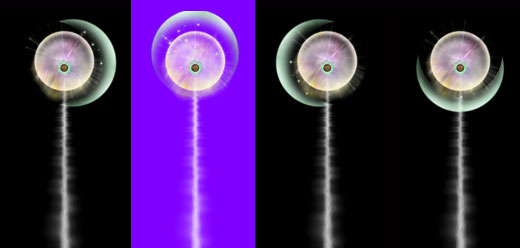
1. Saturn Arc Reduces to Glow Mode

i. Yellow sun, “time of the yellow light”
            a. Hopi
            b. Chinese Huang-Ti

    
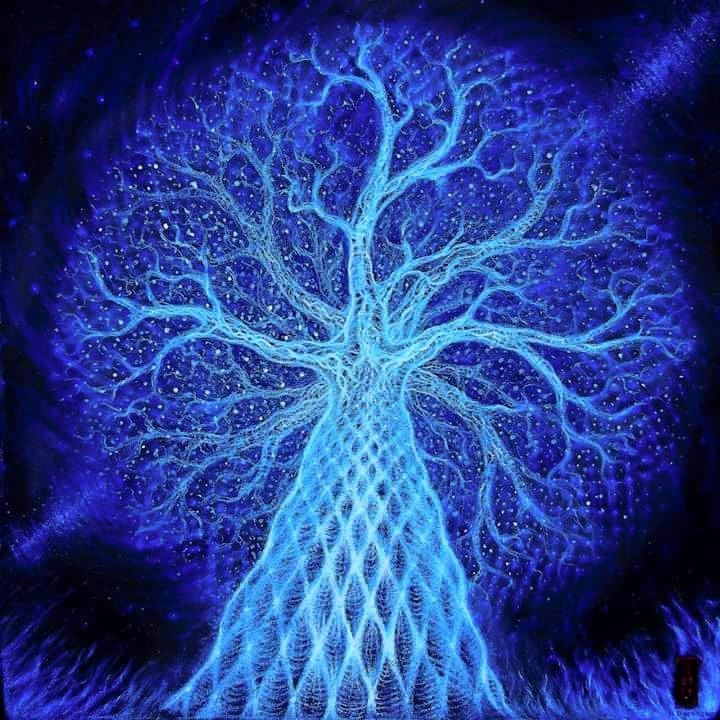
ii. Wobbling axis mundi (Talbott column) retained
            a. Saturn coronal discharges?
    
iii. ”Land of the gods” / “Upper earth”
a. Venus as Chokmah / Wadjet / Sophia
/ "serpent rattle" / "pig-dragon"


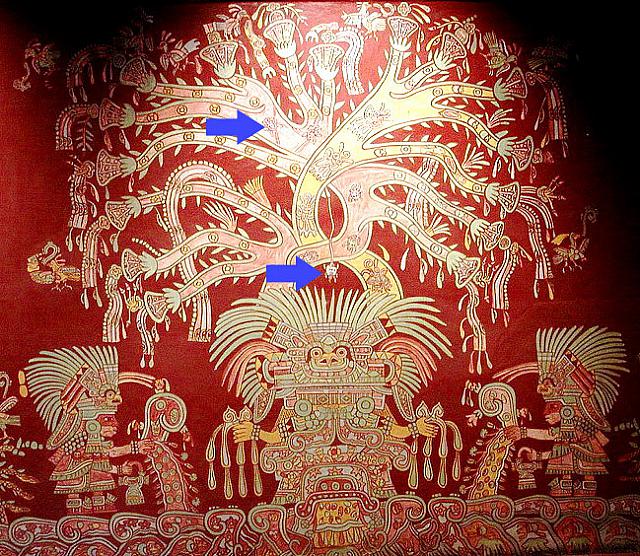
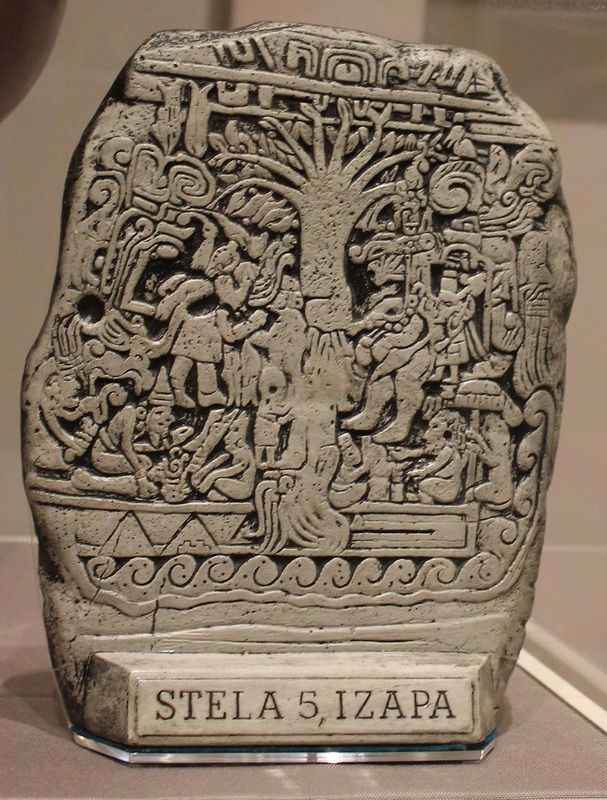
Possible identifications on Stela 5 are: On either side of the tree and mountain of corn mush, Hunahpu Possum [Uranus, long hair left] & Great White Peccary [Neptune, right].  At bottom left, Xmucane [Mercury] and Xpiyacoc [Mars].  At bottom right, Sovereign Plumed Serpent [Venus]. Note also the waves below and the overhead arch.
Picture

2. Descents of Antediluvian King Mars

Picture
  i. King lists
        a. Sumerian kings
            1 Alulim                     4219 - 4092 BC 
            2 Alaljar                      4091 - 3932 BC
            3 Enmenluana             3931 - 3740 BC
            4 Enmengalana            3739  - 3612 BC
            5 Dumuzid                   3611  - 3451 BC
            6 Ensipadzidana           3450 - 3323 BC
            7 Ermendurana            3322 - 3227 BC
            8 UbaraTutu                3226 - 3147 BC    
        b. Antediluvian patriarchs
        c. Vishnu incarnations
        d. Chilam Balam (’Bolon Dzacab’)

    ii. Relocations of strike points
        a. Water bulge, cloudbank & vapor dome
        b. Primal mound
        c. World mountain
        d. Atlantis, Atlan, Aztlan
        e. “City of the gods”

    iii. Mars’ polar blisters
        a. Mons
        b. Tholus

3. The Start of Time

    i. Calendar counts
        a. “Turns” as days, not years

    ii. Surviving documentation
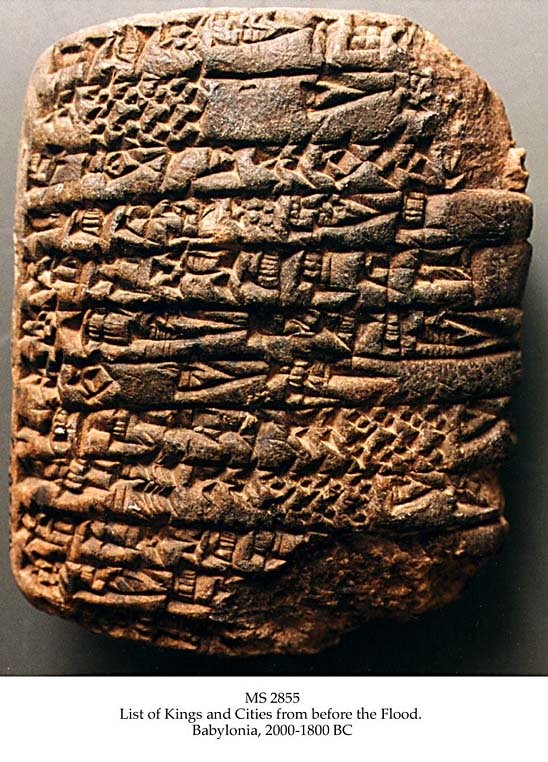
        a. Sumerian King List (MS 2855 &c.)
        b. Genesis 5
        c. Vishnu Purana
        d. Chilam Balam
Picture

4. Golden Age Life

Picture
i. Harmonious collectives
        a. Carnac (c. -4000)
        b. Avebury (c. -3900)
        c. West Kennet (c. -3600)
        d. New Grange (c. -3200)

    ii. Earthwork constructions
        a. Menhirs (c. -4000)
        b. Barrows (c. -3800 &f)
        c. Henges (c. -3600 &f)
        d. Passage graves (c. -3400 &f)
... Previous
Continue...
  • Home
  • Myths of Creation
    • 1 Thesis >
      • 2 Definitions
      • 3 Exposition
    • 4 First Things: Cosmogony >
      • 5 Time After Time
      • 6 From Creation To Catastrophe
      • 7 Order Out Of Chaos
    • 8 Traits, Tropes & Themes >
      • 9 Macrocosm To Microcosm
    • 10 Astronomical: Theogony >
      • 11 Geophysical: Geogony
      • 12 Ethnological: Anthropogony
    • 13 Cosmogonic Causal Chains >
      • 14 As Above, So Below
      • 15 Foregone Ages Past
      • 16 Forthcoming Future Ages
    • 17 Second Thoughts >
      • 18 But Who's Counting?
    • 19 From Myth To History >
      • 20 Cycles Of Recurrence
    • 2) Mythic Media >
      • 1 In the Beginning
      • 2 Artifacts of Cultural Memory
      • 3 Global Unanimity Uncovered
      • 4 Comparative World Mythology
      • 5 Myth-making through the Ages
  • THE CREATION OF MYTH
    • Introduction
    • Thesis
    • 1 Orality >
      • Preliterate Cultural Memory
      • Rock Art
    • 2 Authority >
      • Myth and History
      • What kind of Truth?
    • 3 Community >
      • Ritual Extensions of Myth
      • Shared Image of the World
      • Group Constructions
    • 4 Efficacy >
      • Mythic Rituals
      • As Below, So Above
      • Group Responses
      • Survival Value
    • 5 Persistence >
      • Management of Memory
      • Mutatis Mutandis
    • Caveat
    • Coda
  • MYTHS ARE HISTORY
    • 1 Premise >
      • Comparative World Mythology
    • 2 Proposition >
      • Catastrophism & Cosmogony
      • Catastrophist Speculation
    • 3 Demonstration >
      • Instability of Solar System
      • Observational Evidence
    • 2) When Seeing Was Believing >
      • 1 Primacy of Sight
      • 2 Partial Perspectives
      • 3 Similarities & Differences
    • 3) Comparative World Symposium >
      • Seeing the Past Anew >
        • 1 A New Impartial Gathering ...
        • 2 A Global Synoptic View ...
        • 3 An Interdisciplinary Chronology ...
  • The Jupiter Myth